Kopi Luwak (Cat Poop Coffee): The World’s Most Controversial Coffee

Kopi Luwak, often called cat poop coffee, is one of the most famous — and controversial — coffees in the world. Known for its unique production process and high price, this Indonesian specialty has fascinated coffee lovers, shocked newcomers, and raised serious ethical debates.
But what is Kopi Luwak really? Why is it so expensive? Is it ethical? And does it actually taste better than regular coffee?
Let’s break it all down.
What Is Kopi Luwak?
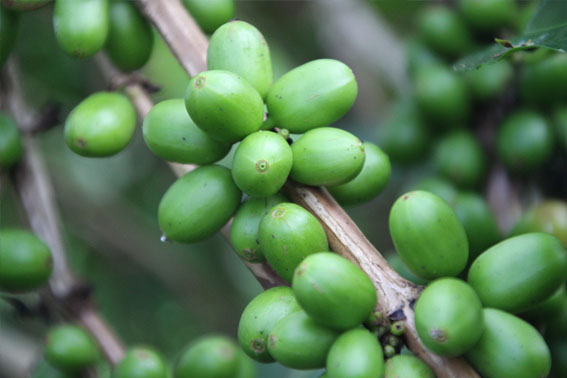
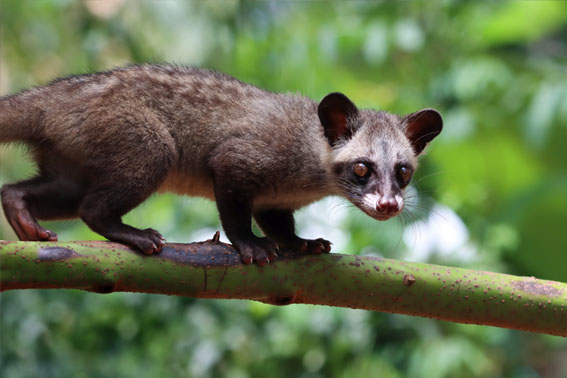
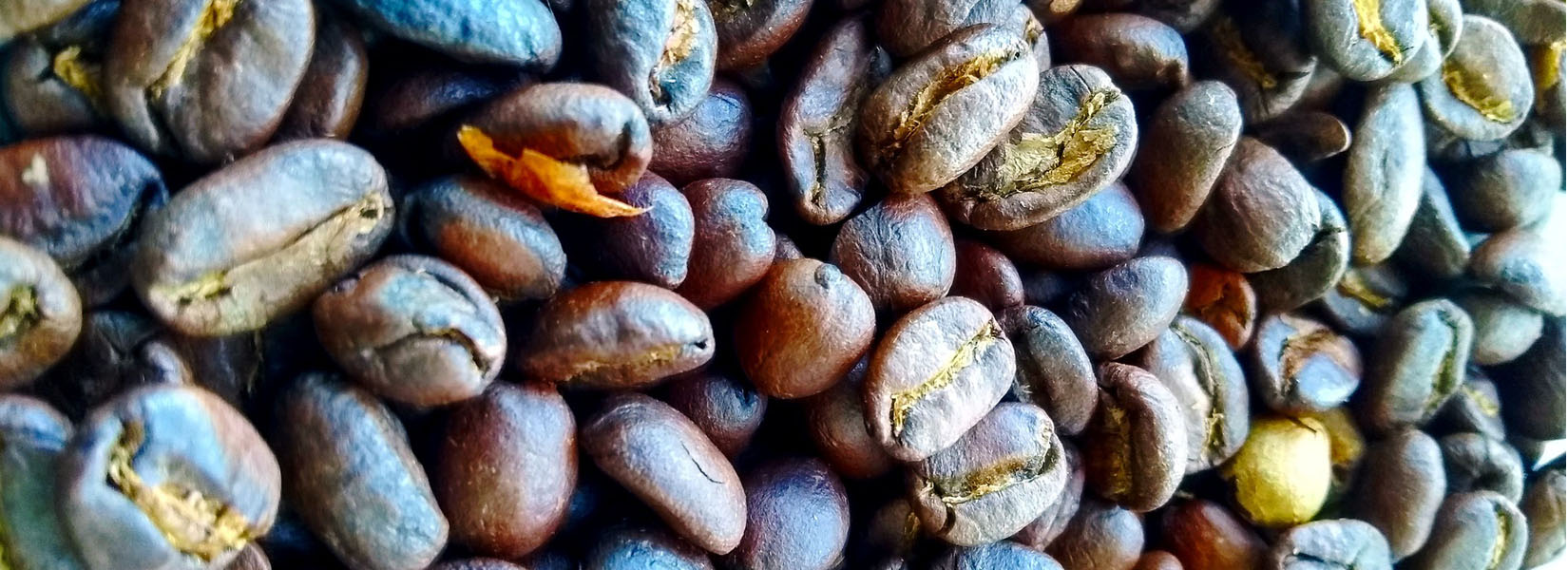
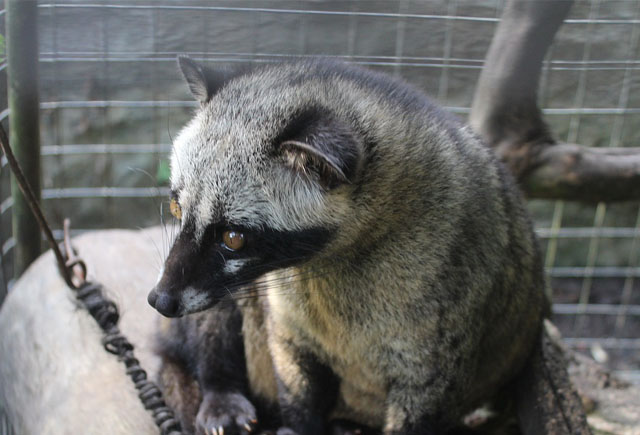
Kopi Luwak is a rare type of coffee made from beans that have been eaten and naturally fermented in the digestive system of the Asian palm civet (locally called luwak). After passing through the animal, the beans are collected, thoroughly cleaned, dried, roasted, and brewed into coffee.
This unusual process is what gave rise to the nickname “cat poop coffee.”
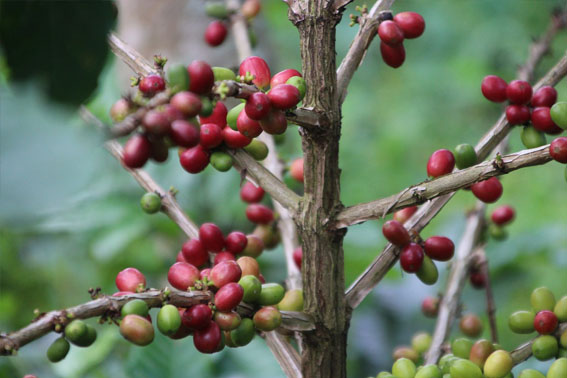
Kopi Luwak originated in Indonesia, where wild civets selectively eat only the ripest coffee cherries — a natural quality control step that humans can’t easily replicate.
How Is Kopi Luwak Made?
The traditional production process involves several stages:
-
Selective eating
Civets naturally choose the ripest and sweetest coffee cherries. -
Natural fermentation
Inside the civet’s digestive tract, enzymes break down proteins in the beans. This reduces bitterness and changes the chemical structure of the coffee. -
Collection
Beans are collected after being excreted. -
Cleaning and drying
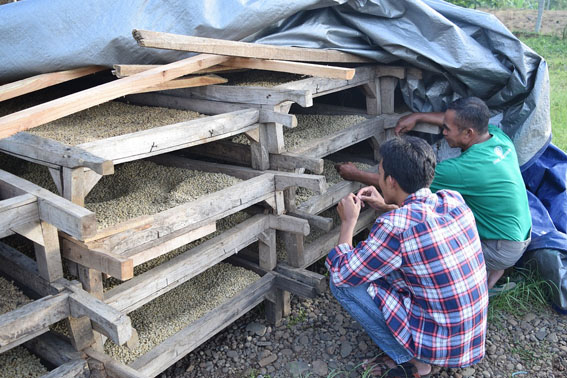
Beans are washed multiple times and sun-dried. -
Roasting
Roasting brings out the final flavor profile.
This fermentation process is the key reason Kopi Luwak is said to taste smoother than regular coffee.
What Does Kopi Luwak Taste Like?
Flavor notes often described by coffee experts include:
-
Low acidity
-
Smooth, mellow body
-
Chocolate and caramel tones
-
Earthy or woody notes
-
Almost no bitterness
That said, taste heavily depends on:
-
whether beans come from wild or caged civets
-
coffee variety (Arabica vs Robusta)
-
roasting quality
Not all Kopi Luwak tastes amazing — quality varies dramatically.
Why Is Kopi Luwak So Expensive?
Several factors drive the high price:
-
Limited supply (especially wild-sourced beans)
-
Labor-intensive collection
-
High global demand
-
Marketing and rarity appeal
Authentic, wild Kopi Luwak can cost hundreds of dollars per kilogram, while fake or mass-produced versions are often much cheaper — and far lower in quality.
The Dark Side of Kopi Luwak: Ethical Concerns
As demand increased, many producers turned to civet farming, keeping animals in cages and force-feeding them coffee cherries.
Ethical issues include:
-
Animal cruelty
-
Poor living conditions
-
Stress and malnutrition
-
Lower coffee quality
Today, many coffee experts do not recommend caged Kopi Luwak.
Wild vs Farmed Kopi Luwak
| Feature | Wild Kopi Luwak | Farmed Kopi Luwak |
|---|---|---|
| Animal welfare | Ethical | Often unethical |
| Flavor | Complex, smooth | Flat, bitter |
| Price | Very high | Lower |
| Authenticity | Rare | Mass-produced |
If ethical sourcing matters to you, always look for wild-sourced Kopi Luwak with transparent origins.
Is Kopi Luwak Safe to Drink?
Yes — when properly processed.
The beans are:
-
thoroughly washed
-
heat-treated during roasting
-
tested for food safety
When sourced from reputable producers, Kopi Luwak is completely safe.
Is Kopi Luwak Worth Trying?
That depends on why you want to try it.
Worth it if:
-
you’re a coffee enthusiast
-
you value rare experiences
-
you find ethical, wild-sourced beans
Not worth it if:
-
you expect a “mind-blowing” taste
-
you buy cheap, mass-market versions
-
you’re uncomfortable with animal involvement
Many specialty coffees today rival or outperform Kopi Luwak in flavor — without ethical concerns.
Common Myths About Kopi Luwak
“It’s the best coffee in the world”
Not necessarily. It’s unique, not objectively superior.
“All Kopi Luwak is unethical”
False. Wild-sourced versions exist.
“It tastes like poop”
Absolutely false. It tastes like coffee — smooth and mild.
How to Identify Real Kopi Luwak
Look for:
-
Clear origin information
-
“Wild-sourced” certification or explanation
-
Small-batch production
-
Transparent seller story
Avoid:
-
suspiciously low prices
-
vague descriptions
-
mass-market packaging
Final Thoughts
Kopi Luwak remains one of the most fascinating stories in the coffee world — blending tradition, nature, controversy, and luxury.
It’s not just coffee.
It’s a conversation starter, a cultural artifact, and a reminder that how a product is made matters just as much as how it tastes.
FAQ: Kopi Luwak
Is Kopi Luwak legal?
Yes, but regulations vary by country.
Does Kopi Luwak contain caffeine?
Yes — similar levels to regular coffee.
Is it suitable for daily drinking?
Usually no — it’s more of a special experience coffee.

Add comment
You must be logged in to post a comment.