
How Is Sea Salt Created? From Ocean Water to Natural Crystals
Many people use sea salt every day, but few understand how sea salt is created. Sea salt is a natural product made by evaporating seawater, allowing salt crystals to form. Unlike refined table salt, sea salt is produced using traditional and natural processes that help preserve its mineral content and unique flavor.
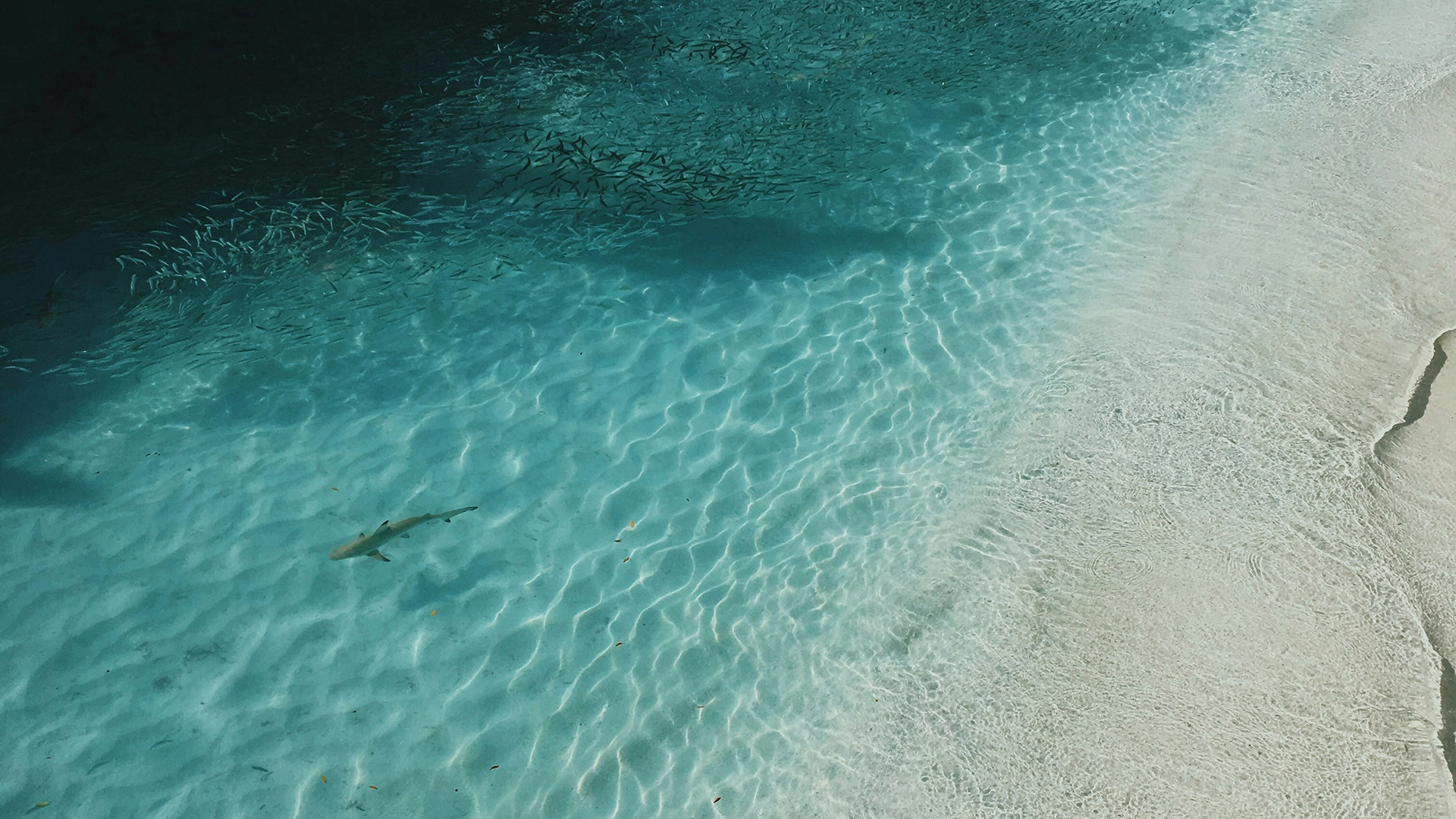
The creation of sea salt begins with clean seawater. Salt producers carefully select coastal areas where the water is relatively unpolluted and rich in natural minerals. The seawater is channeled into shallow ponds or salt pans, which are designed to maximize sun exposure and airflow. These conditions are essential for the evaporation process.
Sun and wind play the most important roles in how sea salt is created. As the seawater sits in the salt pans, heat from the sun slowly evaporates the water. Over time, the water level drops and the salt concentration increases. This process can take several weeks or even months, depending on the climate, temperature, and humidity.
As evaporation continues, salt crystals begin to form at the bottom of the ponds. These crystals are made primarily of sodium chloride, along with trace minerals such as magnesium, calcium, and potassium. These natural minerals are what give sea salt its distinctive taste, texture, and color, which can vary depending on the region where it is produced.
Once the crystals reach the desired size, the harvesting process begins. Traditionally, sea salt is harvested by hand using wooden tools or rakes. This method helps protect the delicate crystal structure and ensures minimal processing. In modern production, some producers use gentle mechanical methods, but the goal remains the same: to collect the salt without refining it excessively.
After harvesting, the sea salt is drained and dried naturally. In most cases, it is not heavily washed or chemically treated. This minimal processing is a key difference between sea salt and table salt. Refined table salt often goes through industrial processes that remove minerals and add anti-caking agents, while sea salt retains much of its natural composition.
Different types of sea salt are created using variations of this same process. For example, fleur de sel forms as thin flakes on the surface of salt ponds and is carefully skimmed by hand. Coarse sea salt forms larger crystals at the bottom of the pans and is commonly used in cooking and food preservation.
In conclusion, understanding how sea salt is created reveals why it is valued around the world. Through natural evaporation, careful harvesting, and minimal processing, sea salt transforms seawater into flavorful, mineral-rich crystals. This simple yet time-honored process is what makes sea salt a natural and essential ingredient in kitchens worldwide.


About author




Add comment
You must be logged in to post a comment.