
Natural Handmade Soap Benefits: Why It’s Better for Your Skin
Introduction
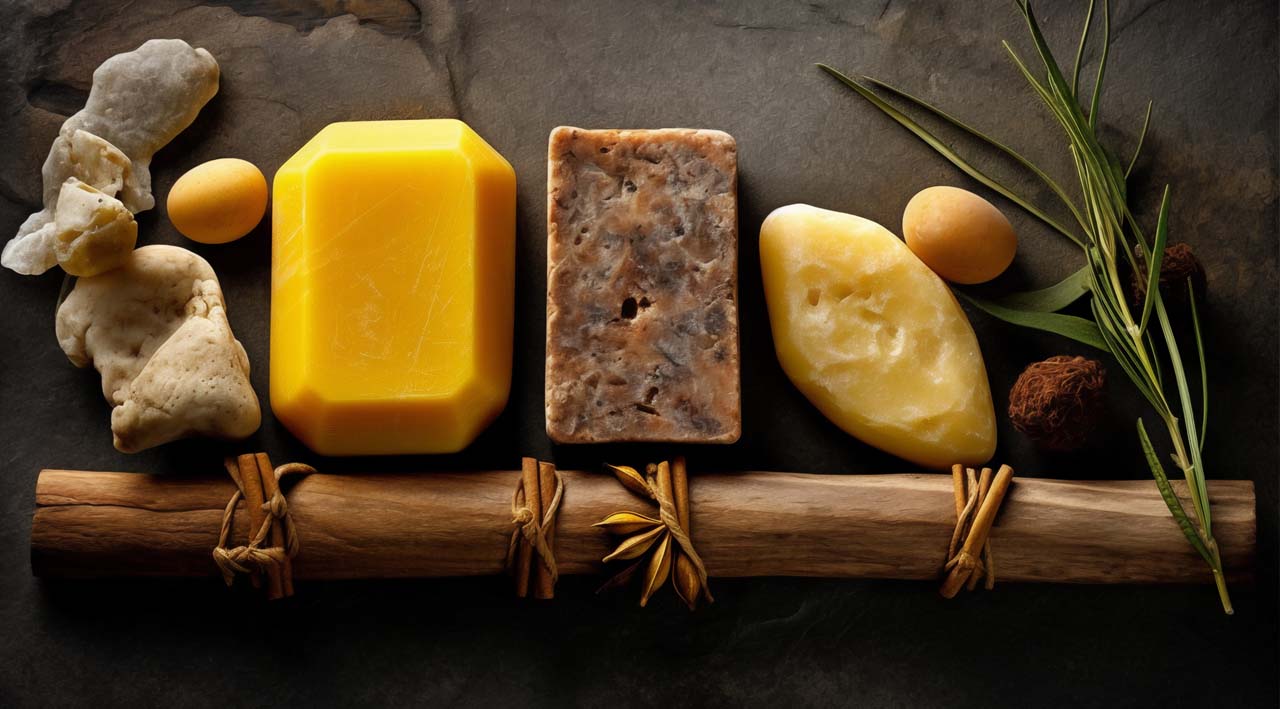
Natural handmade soap has become increasingly popular among people looking for safer and more effective skincare solutions. Unlike mass-produced soap, handmade soap is typically created using plant-based oils, natural butters, and traditional methods that preserve skin-friendly ingredients.
This makes it not only a skincare product but also part of a broader movement toward natural and sustainable living.
What Is Natural Handmade Soap
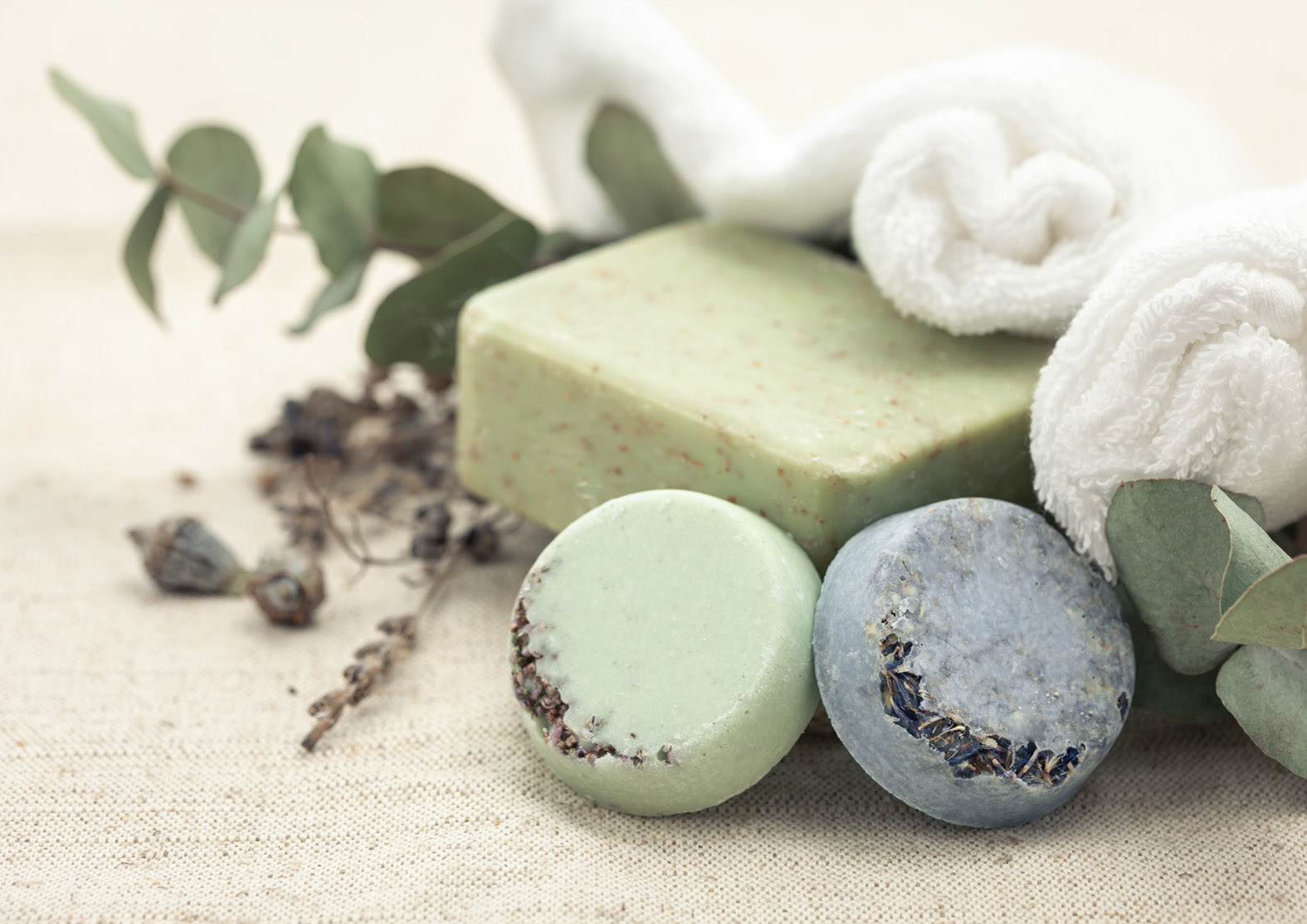
Natural handmade soap is produced through a process called saponification, where oils and fats react with an alkaline solution to create soap and glycerin.
Unlike commercial soaps, handmade versions usually:
- retain natural glycerin
- use plant-based ingredients
- avoid harsh synthetic detergents
These characteristics significantly affect how the soap interacts with your skin.
Key Benefits of Natural Handmade Soap
1. Moisturizes and Protects the Skin
One of the biggest advantages of handmade soap is that it naturally retains glycerin — a compound that helps attract moisture to the skin.
Commercial soaps often remove glycerin, which can lead to dryness, while handmade soap helps keep skin soft and hydrated.
2. Contains Natural Ingredients
Handmade soap is typically made from:
- coconut oil
- olive oil
- shea butter
- essential oils
These ingredients nourish the skin and provide vitamins and antioxidants.
3. Free from Harsh Chemicals
Many commercial soaps contain:
- sulfates (SLS)
- parabens
- artificial fragrances
These substances can irritate the skin and strip natural oils.
Natural handmade soap usually avoids these ingredients, making it a better choice for sensitive skin.
4. Gentle on Sensitive and Dry Skin
Because of its natural composition, handmade soap is often suitable for:
- sensitive skin
- acne-prone skin
- dry or irritated skin
It cleans without damaging the skin barrier.
5. Eco-Friendly and Sustainable
Handmade soap is often:
- biodegradable
- produced in small batches
- packaged with less plastic
This makes it a more environmentally friendly choice compared to industrial soap production.
6. Supports Skin Health (But Not a Medical Product)
Natural oils in handmade soap can help:
- maintain hydration
- improve skin texture
- reduce irritation
However, it’s important to understand:
soap is not a medical treatment
results depend on ingredients and skin type
Handmade Soap vs Commercial Soap
| Feature | Handmade Soap | Commercial Soap |
|---|---|---|
| Ingredients | Natural oils & butters | Synthetic detergents |
| Glycerin | Retained | Often removed |
| Skin effect | Moisturizing | Can be drying |
| Chemicals | Minimal | Often present |
| Production | Small batch | Mass production |
Important: Not All “Natural” Soaps Are Perfect
Even natural soaps can:
- contain fragrances that irritate skin
- have high pH levels
- cause reactions in sensitive users
Also, “natural” is not strictly regulated in cosmetics, so ingredient quality matters.
Always check ingredients before buying.
Why Indonesian Handmade Soap Is Unique
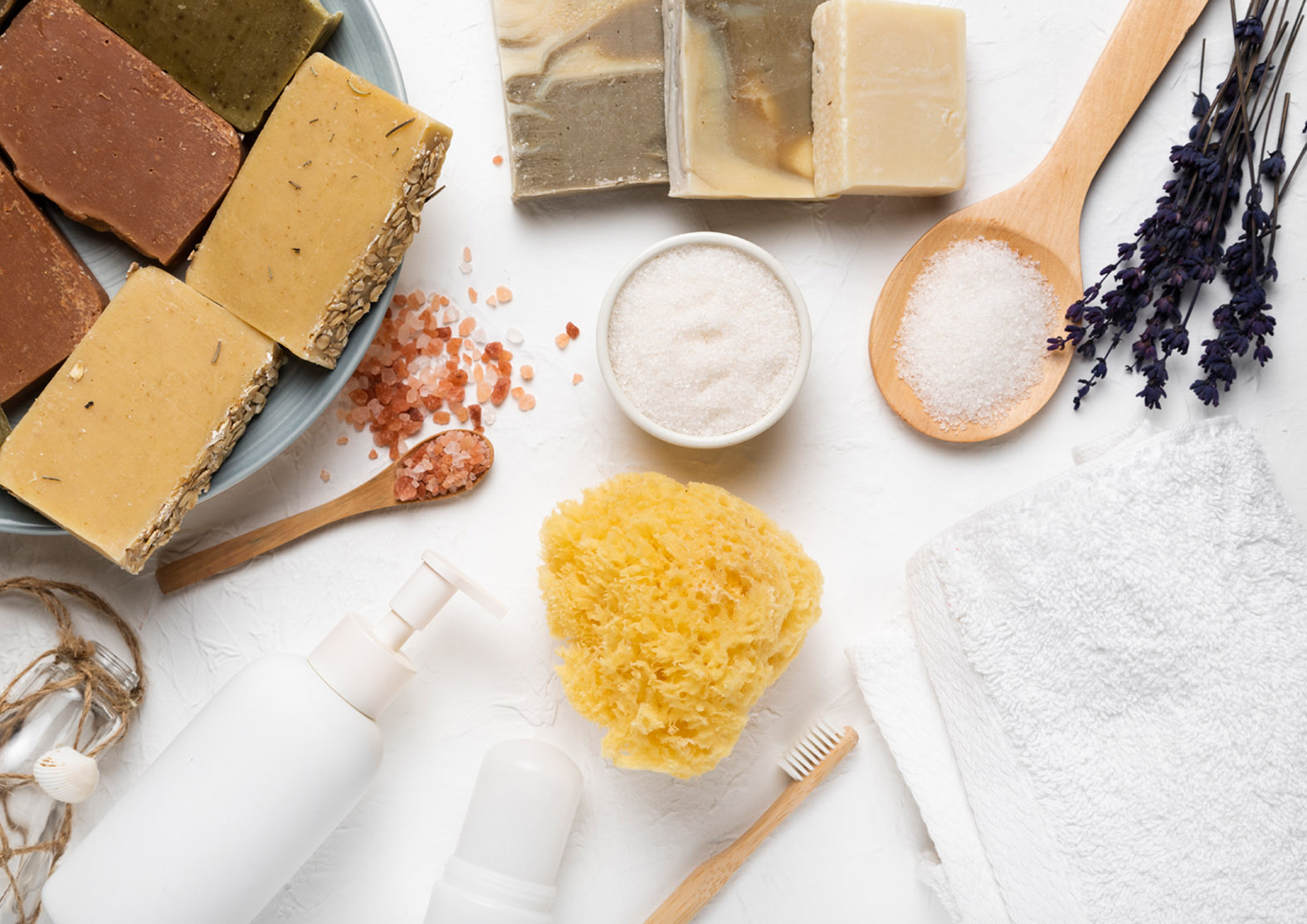
Indonesian handmade soap often includes:
- tropical plant oils
- herbal extracts
- traditional formulations
These ingredients make the products unique and attractive for global customers.
Bali Beauty Products
Eco Enzyme Soap
How to Choose the Best Handmade Soap
When buying handmade soap, look for:
- simple ingredient lists
- plant-based oils
- no sulfates or parabens
- trusted brands
This ensures both safety and effectiveness.
FAQ
Is handmade soap better for your skin?
It can be gentler and more moisturizing, especially if made with natural ingredients.
Can handmade soap help with acne?
Some natural ingredients may help, but it is not a medical treatment.
Is handmade soap safe for daily use?
Yes, most natural soaps are suitable for everyday use.
Why is handmade soap more expensive?
It is produced in small batches with higher-quality ingredients.


About author






Add comment
You must be logged in to post a comment.