

No products in the cart.
Return To Shop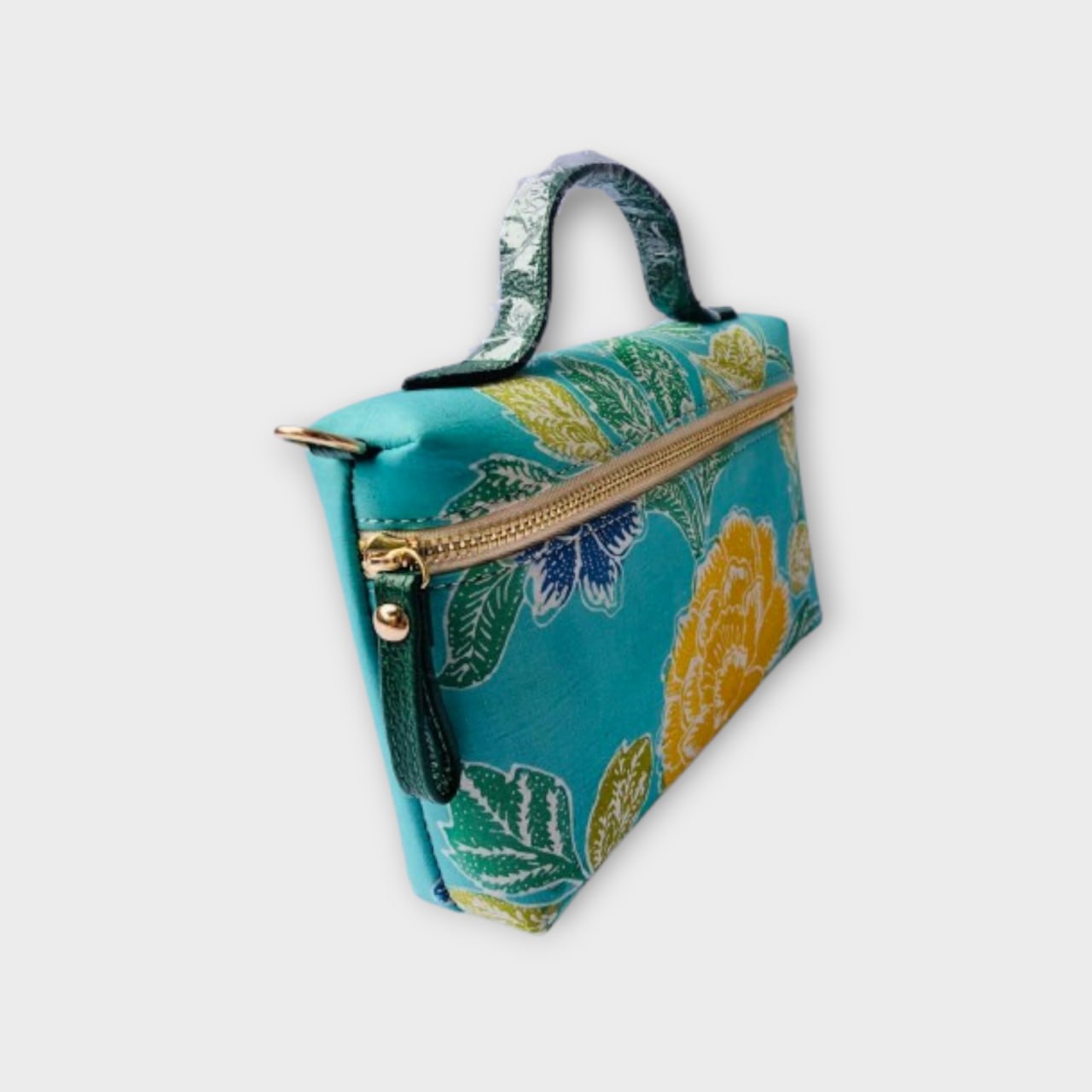
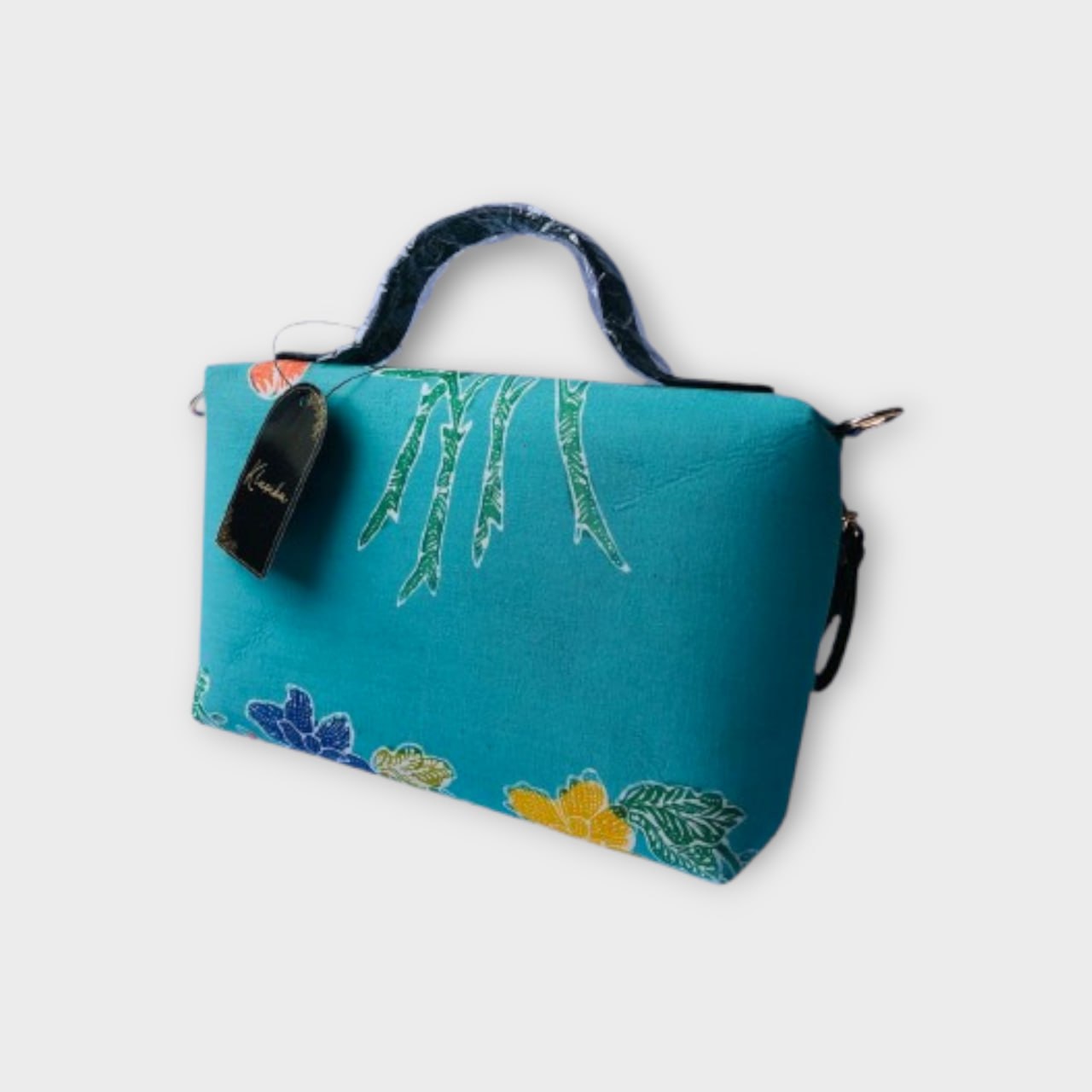
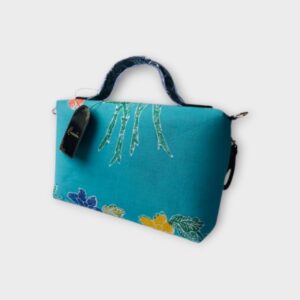
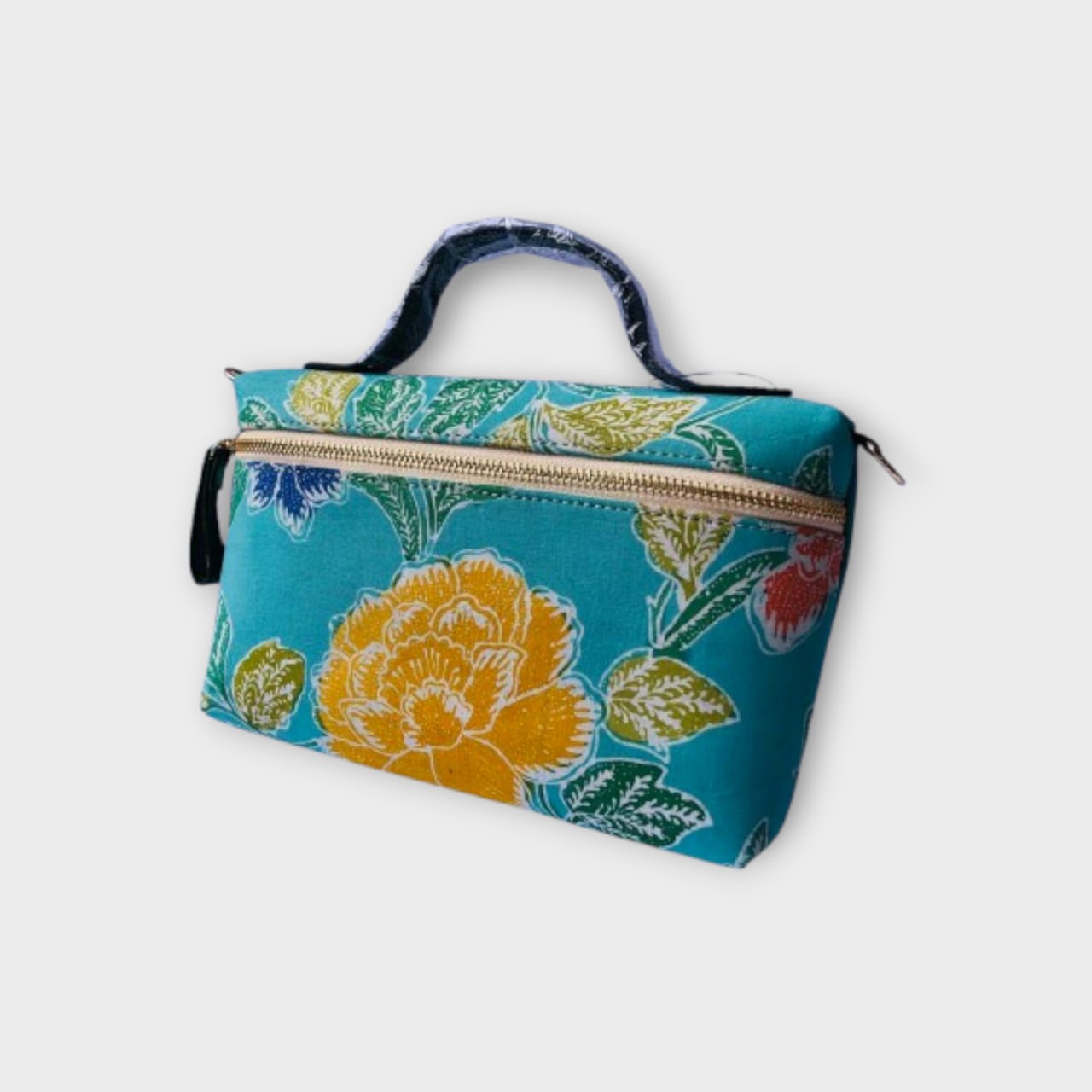
Women’s Batik & Cowhide Purse – Handcrafted Indonesian Batik with Genuine Leather
48 people are viewing this product right now
A purse that carries more than currency. Authentic Indonesian Batik meets genuine cowhide leather — hand-applied wax motifs on cloth, framed by natural grain leather. Compact, daily, and quietly rich with Javanese craft.
$ 19.71
In the Palm: Cloth and Leather
A purse lives in the hand. It’s taken out and put away dozens of times a day. The materials that make this one — batik fabric and cowhide leather — reward that constant contact. The fabric softens slightly with handling. The leather warms to the touch. Over months and years, the object conforms to its owner in ways both visible and subtle.
Batik: The Wax Line
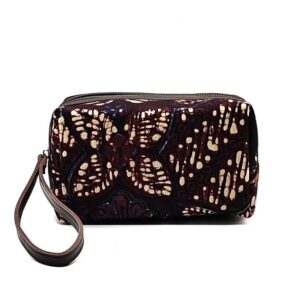
Before dye touches cloth, wax goes down first. The batik artist works with a canting — a small copper tool with a fine spout that releases molten wax in controlled lines. Every dot, every curve, every delicate tendril is placed by a steady hand. Where wax covers the fabric, dye cannot penetrate. After dyeing, the wax is removed to reveal the reserved pattern beneath.
-
Some panels are drawn entirely freehand — Batik Tulis, the most time-intensive form of the craft.
-
Others are stamped with copper caps carved in traditional motifs — Batik Cap, rhythmic and precise.
Both methods produce fabric that cannot be exactly duplicated. Each purse carries its own specific fragment of the pattern.
Cowhide: The Frame
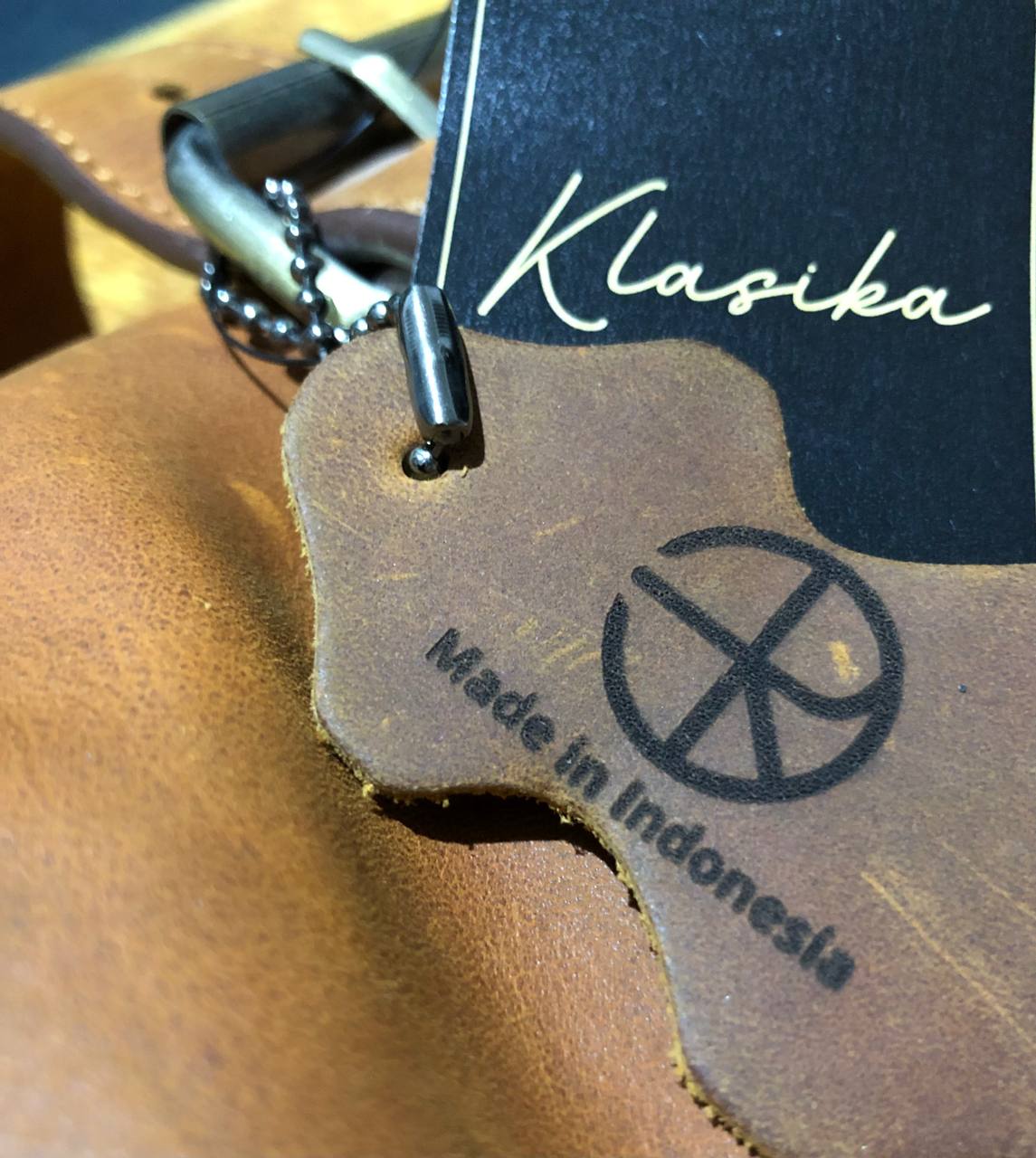
Genuine cowhide leather edges the purse, giving it structure and a clean boundary between fabric and air. The leather is chosen for how it behaves over time:
-
It resists daily wear without looking stiff.
-
It develops a patina in response to light, oils from the skin, and movement.
-
It protects the textile edges from fraying — functional, but also considered.
Inside
A compact interior designed to hold exactly what’s needed and nothing more. Cards. Folded notes. Identification. Coins if desired. The layout is straightforward because the materials deserve attention, not complexity.
The Quiet Details
-
The seam where batik meets leather is double-stitched — a small but significant reinforcement.
-
Hardware is minimal: a simple closure, clean lines, nothing that competes with the fabric.
-
Each purse carries a different section of the batik panel, so no two are alike.
Two Artisans
One draws or stamps wax onto cloth. The other cuts, skives, and stitches leather. Their work converges in this single, handheld object. The purse is the meeting point of two distinct Indonesian craft traditions — carried forward every time it’s used.
Key Features
-
Authentic Indonesian Batik fabric — hand-drawn or hand-stamped
-
Genuine cowhide leather edging, closure, and trim
-
Unique motif placement on every piece
-
Compact, lightweight design for daily essentials
-
Handcrafted across textile and leather disciplines
Related products


Fast shipping around the world

Guaranteed Low price
48 people are viewing this product right now
 Women’s Batik & Cow...
 $ 19.71


Reviews
There are no reviews yet.